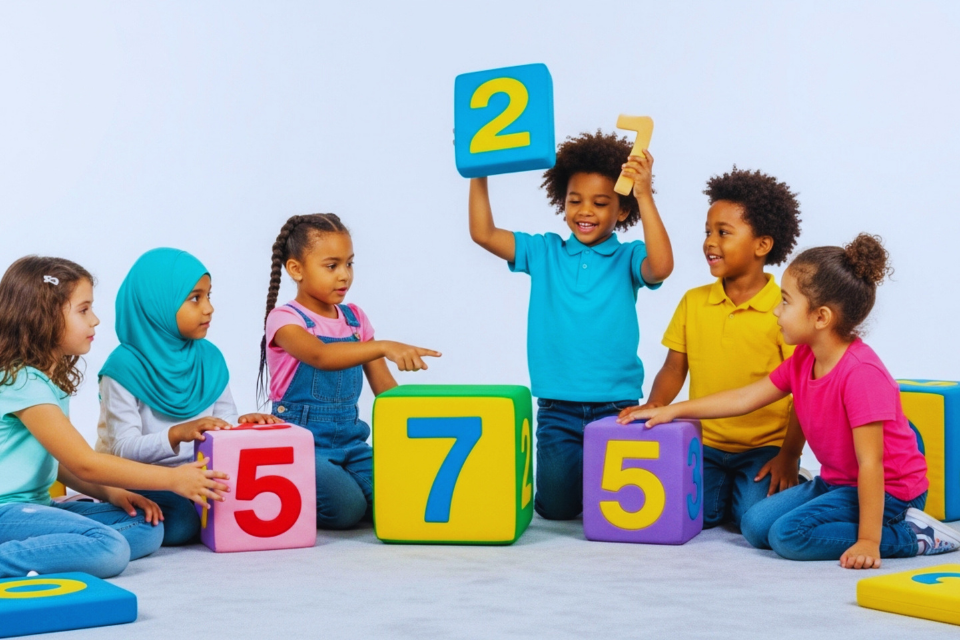
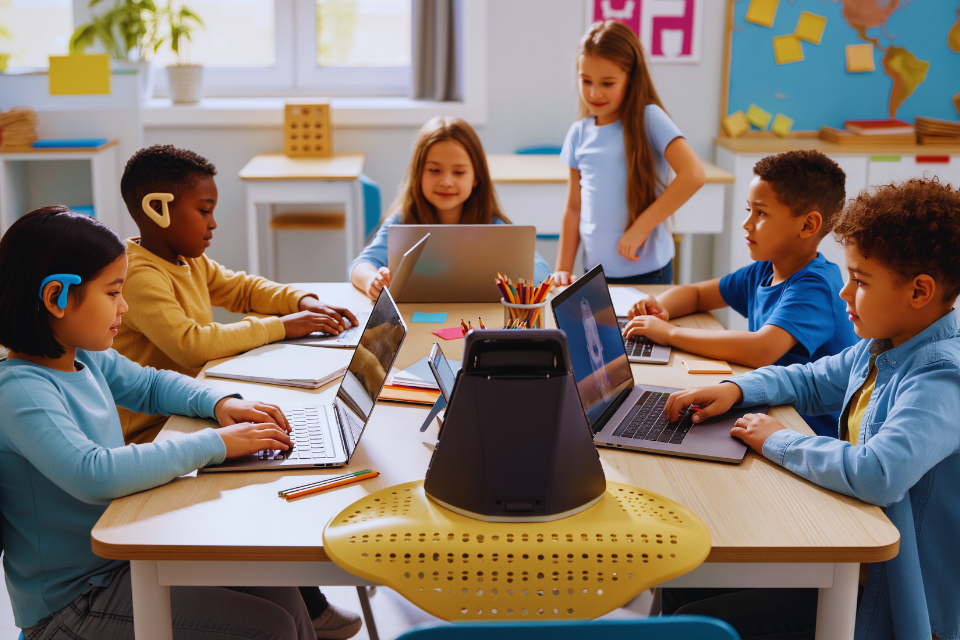
Play is not just fun—it is one of the most powerful tools for learning in early childhood. Children naturally explore the world through play, and when learning is combined with play, it becomes meaningful and long-lasting.
At Shemfórd Little Star’s Preschool, play-based learning is at the heart of everything we do.
What Is Play-Based Learning?
Play-based learning uses activities like games, storytelling, music, puzzles, and creative play to teach concepts. Instead of rote memorization, children learn by doing, experimenting, and exploring.
Benefits of Play-Based Learning
1. Encourages Creativity & Imagination
When children engage in pretend play, drawing, or building blocks, they develop creativity and problem-solving skills.
2. Builds Social Skills
Group play teaches sharing, teamwork, patience, and communication. Children learn how to express their ideas and respect others.
3. Enhances Cognitive Development
Games involving numbers, shapes, and patterns strengthen thinking and reasoning abilities.
4. Improves Language Skills
Storytelling, rhymes, and conversations during play help children build vocabulary and communication skills.
5. Boosts Confidence
When children learn at their own pace through play, they feel confident and motivated.
Role of Teachers in Play-Based Learning
Our trained teachers guide children during play, ask questions, encourage exploration, and gently introduce learning concepts. This balance of freedom and guidance ensures effective learning.
Conclusion
Play-based learning makes education joyful, stress-free, and impactful. At Shemfórd Little Star’s Preschool, we believe that happy children learn better—and play is the key to unlocking their true potential.